
The Art of Fabric Painting: Techniques, Color Selection, and Paint Types

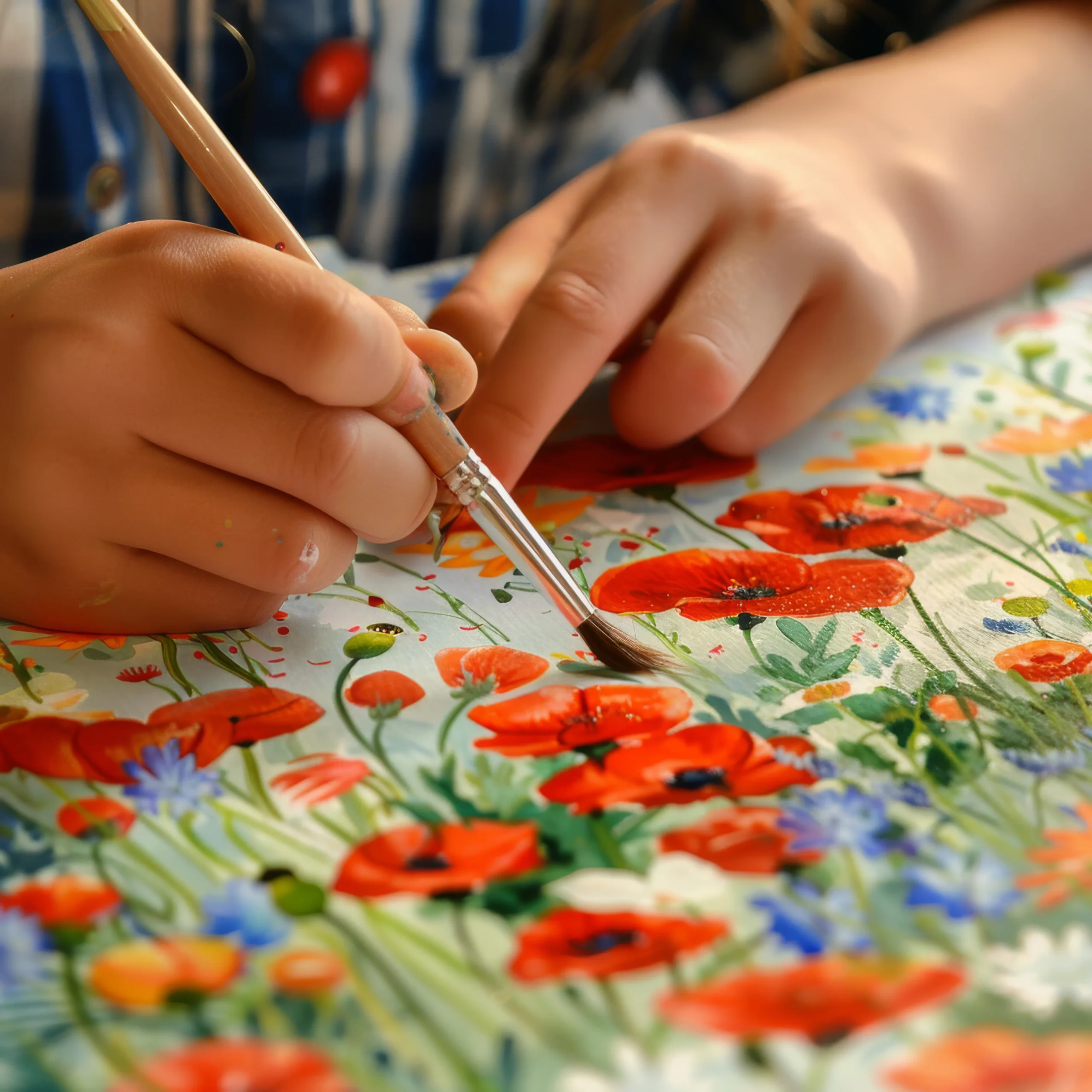
As an artist specializing in fabric painting, I often find myself immersed in the creative process of transforming ordinary pieces of clothing into unique works of art. Fabric painting is not just about applying color to textiles; it's about expressing oneself and breathing new life into wearable art. In this post, I’ll share some essential insights into the world of fabric painting, focusing on color selection and the types of paint used to achieve beautiful, long-lasting results.
Understanding Fabric Types
Before diving into painting, it’s crucial to understand that different fabrics react differently to paint. Cotton, silk, denim, and polyester each have unique properties that can affect the outcome of your artwork. For instance, the denim jacket in my portfolio showcases how well this fabric holds up with acrylic-based fabric paints, providing a vibrant and durable finish.
Color Selection in Fabric Painting
Choosing the right colors is vital for fabric painting. The colors you select not only define the mood of the piece but also how much it stands out. When working on fabric, especially textiles like denim, I recommend using a palette that contrasts well with the background material to ensure the design pops. For example, for darker fabrics like the denim jacket, lighter and brighter colors can make the design more striking.
When selecting colors, also consider the opacity and how colors blend together. Some fabric paints are more transparent, while others offer a solid color payoff. Testing colors on a scrap piece of the same fabric can help you see how they will look once dried.
Types of Paint for Fabric Painting
Acrylic Fabric Paints: One of the most popular choices for fabric painting, acrylic paints are versatile and provide excellent coverage and color richness. They are perfect for materials like the denim jacket shown in my portfolio. Once heat-set, acrylic fabric paints are usually water-resistant and durable against washes.
Fabric Dye: Unlike paints, dyes are absorbed into the fabric, making them ideal for achieving a tie-dye effect or coloring large areas of fabric. Dyes are perfect for lightweight fabrics like silk and cotton.
Textile Mediums: If you want to explore beyond ready-made fabric paints, consider using a textile medium. This additive can be mixed with regular acrylic paint to make it more suitable for fabric painting, improving its durability and preventing the paint from cracking.
Specialty Fabric Paints: These include puff paints, metallic paints, and glow-in-the-dark paints, adding texture and visual interest to your fabric projects.
Techniques for Fabric Painting
- Stenciling: Use stencils to create precise shapes and designs. This is particularly useful for patterns or when you need to replicate a design multiple times.
- Freehand Painting: As seen on the denim jacket in my portfolio, freehand painting is ideal for unique, personalized designs. This technique allows for maximum creativity and expression.
- Spray Painting: For a more diffuse look, fabric spray paints are an excellent choice. They are particularly good for covering large areas or for creating a gradient effect.
Caring for Painted Fabrics
To ensure the longevity of your fabric paintings, always follow the specific care instructions for the type of paint used. Generally, it is advisable to wait at least 24 hours before washing the painted fabric, and when washing, turn the garment inside out and use a gentle cycle. Avoid high heat when drying as it can cause the paint to crack.